
Mosquito-Borne Viruses
UPDATED September 2026
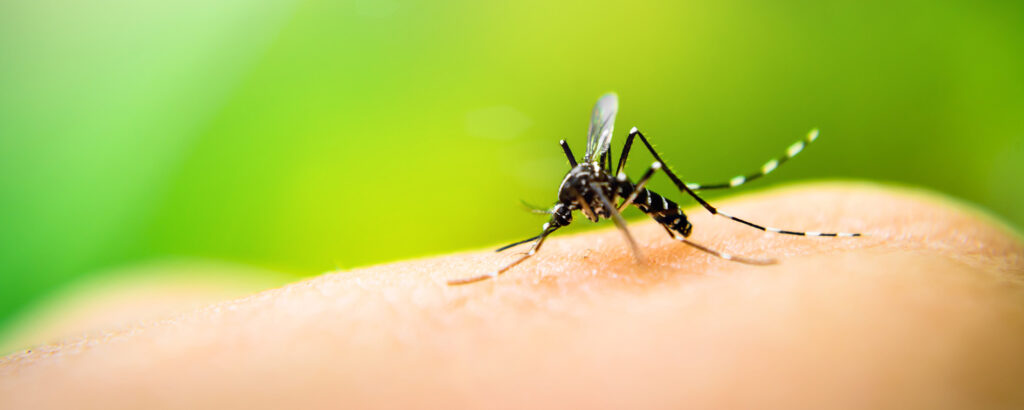
Mosquito bites can be more than just annoying and itchy. Some types of mosquitoes, both in the United States and around the world, spread viruses that can cause disease.
Mosquitoes bite during the day and night, live indoors and outdoors, and search for warm places as temperatures begin to drop. Some will hibernate in enclosed spaces, garages, sheds, and under (or inside) homes to survive cold temperatures. In the United States, mosquito season starts in the spring and summer, continuing through fall. The peak mosquito season lasts from June to November in Los Angeles County.
West Nile Virus in Los Angeles County
As of September 21, 2026, the Los Angeles County Department of Public Health is reporting 100 cases of West Nile virus infections so far this year, marking the highest number of cases seen this early in the mosquito season in nearly a decade. With mosquito season still underway, the County is on track for one of its most severe West Nile virus seasons in recent years. The last time case numbers reached this level was in 2017, when 268 cases were reported for the entire season. West Nile virus is the most common mosquito-borne disease that affects residents in LA County. Public Health reports cases of West Nile virus every year, as the virus is endemic to the region.
West Nile Virus
Mosquitos become infected with West Nile Virus when they feed on infected birds. Infected Culex mosquitos can then transmit the virus to humans through biting. West Nile Virus is the most prevalent and serious vector-borne disease in California. It has been detected in all 58 counties in California since 2004 and remains active throughout Los Angeles County. According to the Los Angeles County West Vector & Vector-Borne Disease Control District, there have been more than 8,000 human cases reported in California and 366 deaths since 2003.
Everyone is at risk of West Nile Virus infection, but people over 50 and those with certain medical conditions (e.g. cancer, diabetes, hypertension, kidney disease and people who have received organ transplants) are most at risk of serious illness and long-term health problems. Symptoms will develop 2-14 days after being bitten, although most people will not develop any symptoms. Symptoms can range from fever, headache, body aches, joint pains, vomiting, diarrhea or rash, to severe illness affecting the central nervous system.
There is no vaccine for West Nile Virus and no treatment to cure the illness once an individual becomes sick. Reduction of mosquito breeding sources and protection from mosquito bites are the best ways to prevent West Nile Virus infection.
Zika Virus
Zika infection during pregnancy can cause a birth defect of the brain called microcephaly, as well as other severe brain defects. It is also linked to miscarriage and stillbirth. Zika is spreading in Mexico, Central and South America, and the Caribbean. If you’re pregnant or plan to become pregnant, protect yourself from mosquito bites. Wait to travel to these areas until after your baby is born. Zika is not currently being transmitted by local mosquitoes in Los Angeles County or California.
If you think you might have a mosquito-borne disease, contact your healthcare provider for a proper diagnosis.
Prevention
The most effective way to avoid getting sick from mosquito-borne viruses when at home and during travel is to prevent mosquito bites.
- Use Environmental Protection Agency-registered insect repellents that contain 5-30% DEET, picaridin, IR3535, citronella or oil of lemon eucalyptus. Always read and follow label instructions. Find the right insect repellent for you by using EPA’s search tool.
- Wear long-sleeved shirts, long pants, shoes and socks when outside.
- Use screens on windows and doors to keep mosquitoes outside.
- Remove standing water from items inside and outside your home like planters, trash cans, pet water dishes, birdbaths and swimming pool covers once a week. Mosquitoes can lay eggs in very small amounts of standing water, including sources as small as a bottle cap.
- Stock garden ponds with mosquitofish (Gambusia affinis), goldfish, Koi or other mosquito-eating fish. These feed on mosquito eggs and larvae.
- Learn about destination-specific health risks and recommendations before you travel by visiting the CDC.
Additional Resources
- For more information specific to the South Bay, visit the Los Angeles County West Vector & Vector-Borne Disease Control District or call them at (310) 915-7370 for service and assistance with:
- Mosquito problems, West Nile virus, and Zika information
- Ticks, honey bee swarms, colonies or other stinging insects (outside of structures)
- Mosquito Control Checklist
- Los Angeles County Department of Public Health
- Stagnant swimming pools or “green pools” should be reported to the Public Health Environmental Health Bureau at (626) 430-5200, or to a local vector control agency.
- California West Nile Virus
- Report dead birds to the California Dead Bird Hotline at (877) WNV-BIRD or online here
- California Department of Public Health
- Centers for Disease Control & Prevention
Information Sourced From:
Centers for Disease Control & Prevention
Los Angeles County West Vector & Vector-Borne Disease Control District
Los Angeles County Department of Public Health

Stay Connected
Sign up to get interesting news and updates delivered to your inbox.