California Sushi & Teriyaki is now Blue Zones Project Approved!
In January, California Sushi and Teriyaki at 703 Pier Ave in Hermosa Beach joined a list of nearly 100 Blue Zones Project businesses in the Beach Cities.
Beach Cities Health District (BCHD), which brought the Blue Zones Project to the Beach Cities in 2010, works with Blue Zones Project Approved Restaurants to deliver healthy menu options across the Beach Cities of Hermosa Beach, Manhattan Beach and Redondo Beach. The list of Blue Zones Project Approved restaurants includes eateries with full dining service, counter service and everything in between.
In “Blue Zones” across the world (Okinawa, Japan; Sardinia, Italy; Nicoya Costa Rica; Ikaria, Greece; and Loma Linda, California), people are living to 100 by consuming less meat, more vegetables and making sure great food is enjoyed with even better company.
BCHD partners with restaurants to inspire diners to follow the same eating patterns as the longest-lived people on the planet. Through the Blue Zones Project Restaurant Pledge, food businesses employ evidence-backed best practices to optimize their menu and food environment, which helps diners build healthy habits without even realizing it.
At California Sushi & Teriyaki, owner Monica Yoo and her family are committed to making sure healthy options are on the menu. For example, you can swap out white rice in any of their freshly prepared sushi rolls and bowls with brown rice or soy paper.
Making the switch to brown rice from white rice can have a positive impact on heart health. Restaurants like California Sushi and Teriyaki are making the healthy choice the easy choice for diners by serving up whole grains with an assortment of tasty menu options.
“Whole grains decrease our risk for several chronic diseases including type 2 diabetes, heart disease, stroke and death from any cause,” according to Harvard Health.
Compared to enriched white flour, 100% whole wheat flour contains higher levels of vitamin E, vitamin B6, selenium, magnesium, chromium, copper, zinc and folate.
The colorful Veggie Roll at California Sushi & Teriyaki is packed with creamy avocado, crunchy cucumber, shredded carrots, red cabbage, and fresh romaine. If you’re looking to try one of their bowls, consider sampling their Veggie Bowl, which comes with seasoned tofu and steamed veggies drizzled with their signature teriyaki sauce over a bed of hearty brown rice.
Side dishes also include healthy options like freshly prepared salads, steamed vegetables and miso soup.
Whether you’re cooling down from a beach day or downshifting after work, California Sushi & Teriyaki has craveable lunch and dinner plates with the option to dine well today and feel better tomorrow.
Sources:
How to Avoid the Afternoon Energy Crash
By Michelle Ricker, RD
You know the feeling: the afternoon slump hits, your energy drops, your focus fades, and suddenly you’re craving something sweet. Whether you call it the after-lunch slump, the two o’clock droop, or an afternoon crash, it’s something many people experience.
That dip in energy can also come with irritability, brain fog, mild headaches, and strong sugar cravings. The good news is that your meals and snacks can play a major role in helping you stay energized and focused throughout the day.
Why the Afternoon Slump Happens
One of the biggest reasons for an afternoon crash is not giving your body the right fuel at the right time.
Your body relies on blood sugar for energy, and most of that blood sugar comes from the carbohydrates you eat. But not all carbohydrates affect your energy the same way.
Sugary foods and highly refined carbohydrates, like soda, white bread, chips, and pastries, are digested quickly. That can cause a rapid spike in blood sugar, followed by a fast drop. When that drop happens, you may feel tired, unfocused, irritable, or hungry again soon after eating.
On the other hand, carbohydrates from vegetables, fruit, beans, and whole grains break down more slowly. When paired with protein and fiber, they help support steadier blood sugar and more consistent energy over time.
How to Eat for Steady Energy
1. Build balanced meals and snacks
Try to eat every few hours and include a mix of protein, fiber, and healthy carbohydrates. When meals are missing protein or fiber, blood sugar can rise and fall too quickly, which may leave you feeling sluggish later.
2. Don’t overdo lunch
Eating too little can leave you drained, but eating too much can also make you feel sleepy. A large, heavy lunch may leave you feeling weighed down for the rest of the afternoon.
3. Stay hydrated
Even mild dehydration can affect mood, focus, and energy. Keep water or unsweetened herbal tea nearby and sip throughout the day.
4. Include protein at lunch
Protein helps meals feel more satisfying and can help support more stable energy. Aim to include a healthy protein source at lunch along with fiber-rich carbohydrates.
Some simple lunch ideas include:
- A mixed green salad with grilled fish or chicken
- A chicken and vegetable stir-fry with brown rice
- A protein shake paired with fruit
- A grain bowl with beans, vegetables, and lean protein
5. Plan a smart afternoon snack
A balanced afternoon snack can help prevent energy dips and reduce the urge to reach for sugary foods. Pair protein with a high-fiber carbohydrate for the best staying power.
Good options include:
- Greek yogurt with berries and chia seeds
- Raw veggies with hummus
- A protein bar
- Tuna with cherry tomatoes
- Apple slices with nut butter
The Bottom Line
If you regularly feel tired, foggy, or snacky in the afternoon, take a closer look at your lunch and snack routine. Choosing balanced meals with protein, fiber, and steady sources of carbohydrates can help you avoid blood sugar highs and lows and keep your energy more consistent throughout the day.
Looking for personalized nutrition support?
Set up a consultation with Michelle Ricker, RD at The Center for Health and Fitness and get expert guidance tailored to your goals. Learn more at bchd.org/center-for-health-fitness/health-wellness/weight-management-nutrition/. CHF’s website promotes nutrition consultations and personalized health and wellness support.
Finding Gratitude During the Holiday Season
As we head into the holiday season, many of us are reflecting on how much our lives have shifted over time. Our daily routines have evolved, and our roles have expanded in ways we never expected—full-time employee, caregiver, multitasker extraordinaire—just to name a few. Navigating these changes can be exhausting, but the holidays still offer a meaningful opportunity to pause, reflect and appreciate all that we have.
One simple yet powerful way to recharge and reconnect with what matters most is through the practice of gratitude. Gratitude is the quality of being thankful and the readiness to show appreciation and return kindness.
According to research by gratitude expert Robert Emmons, practicing gratitude can have a profound impact on our well-being:
- Body: Boosts feel-good hormones like oxytocin, strengthens the immune system, and improves sleep.
- Mind: Increases happiness and life satisfaction, while reducing feelings of loneliness and isolation.
- Community: Deepens relationships, fosters optimism, and builds self-confidence by reminding us that we’re supported.
Gratitude helps us recognize the good that exists around us—even in the midst of challenges. So, the next time you feel overwhelmed or uncertain, take a moment to pause and give thanks.
Here are a few simple ways to start cultivating gratitude and enjoying its many benefits:
- Create a Gratitude List – Reflect on the past week and jot down five things you’re grateful for. Read your list and notice how it makes you feel.
- Practice a Mindful Gratitude Exercise – Find a quiet space, sit comfortably, and listen to a guided gratitude meditation.
- Include Your Little Ones – Explore our MindUP Parent Docent booster lessons and try a mindful gratitude activity with your children. Lessons are tailored for three age groups: TK–1st grade, 2nd–3rd grades, and 4th–5th grades.
This season, let gratitude be your guide. It’s a small shift in perspective that can make a big difference.
Celebrating Linda: A Champion for Health,Wellness and Community
When Linda Buck first arrived in California from Canada in 2001 with her husband and young son, she was looking for ways to connect with her new community. What started as a passion for health and wellness quickly blossomed into years of meaningful volunteer work that has touched countless lives across the Beach Cities.
Linda began volunteering with the Center for Health and Fitness (CHF) and the YMCA as a group exercise instructor, teaching “Mommy and Me” classes. After her daughter was born and her son started preschool, she stepped back from volunteering at CHF to focus on raising her children. It wasn’t long before Linda was back to giving her time and energy to the causes she cared about most.
Linda learned about the LiveWell Kids program while her kids were enrolled at Beryl Heights Elementary School. Designed to get children moving and making healthy food choices, LiveWell Kids inspired Linda to volunteer as a docent, where she taught nutrition, led gardening activities, and guided morning exercises.
As her kids grew, so did Linda’s involvement. Through her work with the PTA—including serving as President—she recognized the need to better engage parents in the LiveWell Kids program. Her feedback to Beach Cities Health District (BCHD) staff helped launch the Parent Health & Wellness Liaisons volunteer group. This group now brings parents together from the three Beach Cities to collaborate on emerging community needs and has addressed important topics like digital citizenship, healthy relationships with food, substance use prevention, and mental health for both students and parents.
Tessa Gartner, School Health Programs Supervisor says:
“Linda has been a member of the Parent Health & Wellness Liaisons for several years, acting as the RBUSD PTA Council Health & Wellness Chair for the past three years. She has served an integral role in connecting the RBUSD PTA Council with BCHD and the Beach Cities Partnership for Youth Coalition. Beyond attending meetings and providing reports to the PTA Council, she assisted with the creation of several Talk About It parent education documents, covering topics like Fentanyl and having a healthy relationship with food.”
For Linda, who also serves as a BCHD Ambassador and an Event Volunteer, the most rewarding part of volunteering is the connection she feels with the community: “Join. Get involved. BCHD is really supportive and their programs are great! They are a true asset to our community, and I feel privileged to be a part of an organization that truly listens to and works so closely with the people they serve.”
From leading morning stretches to shaping parent engagement, Linda’s journey shows how one person’s passion can ripple outward, creating healthier, stronger communities. Her story is a reminder that when we share our time and talents, we not only support others but we enrich our own lives, too.
Confections by Kirari West is now Blue Zones Project Approved!
Blue Zones Project Approved™ Restaurants encourage customers to make healthier choices by changing the food environment or providing menu options that are based on what people are eating around the world that help them live to 100. Confections by Kirari West in Redondo Beach is now part of the Blue Zones(R) movement!
Designated in July 2025, Confections by Kirari West, at 625 N. Pacific Coast Hwy. in Redondo Beach, joins its nearby sister store, Kirari West, as a Blue Zones Project Approved Restaurant.
Originating as a family-owned bakery in Japan, restaurant owner Hiro Saito opened Kirari West Bake Shop in Redondo Beach’s King Harbor Plaza in 2014. While the bake shop’s menu offers traditional bakery items such as hardy loaves, soft muffins and flavorful cookies, this is not your average bakery.
According to the National Institutes of Health, approximately 2 million people in the United States suffer from wheat intolerance, or celiac disease. This means that people impacted by this disorder have trouble digesting foods like bread, pasta or anything made with wheat flour. While many restaurants offer choices on the menu without wheat, there is no guarantee that cross-contamination does not occur in the cooking process.
At Kirari West, there is no risk of cross-contamination as the store’s inventory consists entirely of non-gluten products. The bakery’s popularity has not only skyrocketed as a result of their gluten-free options, it also has seasonal beverages, baked goods and savory dishes that everyone can enjoy.
Since opening its doors more than two decades ago, Kirari West has expanded with locations in Portland and a second location in Redondo Beach. While Confections by Kirari West started out solely with baked goods like artisan breads, scones and even Bake-at-Home gluten-free flour mixes, you can now find menu options like their quinoa bowls and smoothies.
Their Daybreak Bowl is the perfect way to start your day with a base of hearty kale and quinoa, roasted corn, creamy avocado and a sunny side up egg. For all their bowls, you have the option to pick from their Power of Green Sauce, Tahini Sauce or Berry Vinaigrette to enjoy with your veggies. Consider pairing your bowl with one of their fruit smoothies sweetened with natural ingredients like honey or dates. Between their Amazon Violet Smoothie blended with acai or their Oregon Sunshine Smoothie with fresh oranges, there’s something on the menu for everyone to enjoy.
As part of their pledge to be a Blue Zones Project Approved Restaurant, you can find smaller portion sizes for their pancakes and pizzas, alternatives to whole fat milk as well as salad dressings served on the side. Their staff has also committed to making healthier choices in their personal lives by signing the Blue Zones Project(R) Personal Pledge.
Food tastes better together. We’re grateful to Hiro and his team for providing healthy menu options that allow us to dine together.
Sources:
https://www.niddk.nih.gov/health-information/digestive-diseases/celiac-disease/definition-facts
https://confectionskw.com/pages/about
Volunteer Spotlight: Linda Abbiss Brings the “Live” to the LiveWell Program
By: Jason Argent, Volunteer Executive Writer
For Linda Abbiss, retiring after 35 years at Northrop Grumman wasn’t the end of her work. It was the beginning of a new kind of purpose. These days, you’ll find her outside with dirt on her hands and a smile on her face, doing something she loves and has grown up doing: gardening.
Linda is one of Beach Cities Health District’s (BCHD) dedicated Garden Angels, volunteers who help bring the LiveWell Kids program to life. Designed to teach elementary school students about healthy habits, from nutrition and physical activity to gardening, LiveWell Kids connects what happens in the classroom to what’s growing in the schoolyard. That’s where Garden Angels come in. They help manage and maintain the school gardens, working side-by-side with teachers and students to plant seasonal crops and spark curiosity about food, nature, and health.
Linda joined the Garden Angels in March 2024 and immediately felt at home. A lifelong gardener with a sprawling backyard garden of her own, she’d been looking for a way to give back, and this was the perfect fit.
“Growing up, my mom lived in a place where there just weren’t a lot of community resources,” she says. “That stuck with me. I always knew that when I retired, I’d find a way to give back to the community.”
Now, she volunteers one to two days a week, using her green thumb to nurture not just plants, but a sense of wonder in young kids who may be discovering gardening for the very first time.
This August, she’ll once again be part of BCHD’s Volunteer Day, a large-scale community effort to prepare the school gardens for the new year. It’s a big undertaking, and Garden Angels like Linda serve as volunteer leads, helping to coordinate teams, share expertise, and make sure the gardens are ready for little hands come fall.
For Linda, it’s more than just pulling weeds or planting lettuce. It’s about connections. Connections between kids, nature and health, and a connection between volunteers and their community.
“It’s amazing to see how curious the kids are. They plant something themselves, it grows, and their eyes light up. They’re learning where food really comes from, and that healthy food doesn’t just come in a package” she says.
At home, Linda still tends her own robust garden and spends time with her husband, daughter, and grandson. But the hours she spends as a Garden Angel are rooted in something just as lasting: a deep love for her community and a belief that even small seeds can grow into something meaningful.
How allcove Beach Cities Helped John Hooper – and Many Other Young People – Find Their Way
Above: John Hooper (center) talks with Senator Ben Allen (24th District) during an event at allcove Beach Cities.
By Jason Argent, BCHD Volunteer
At 27, John Hooper is more than a mentor. He’s living proof that change is possible. His journey from elite athlete to struggling with addiction, and ultimately finding recovery, led him to allcove Beach Cities. Now, he’s paying it forward, helping young people who, like him, need a safe space to heal, grow, or just simply catch their breath amid life’s chaos.
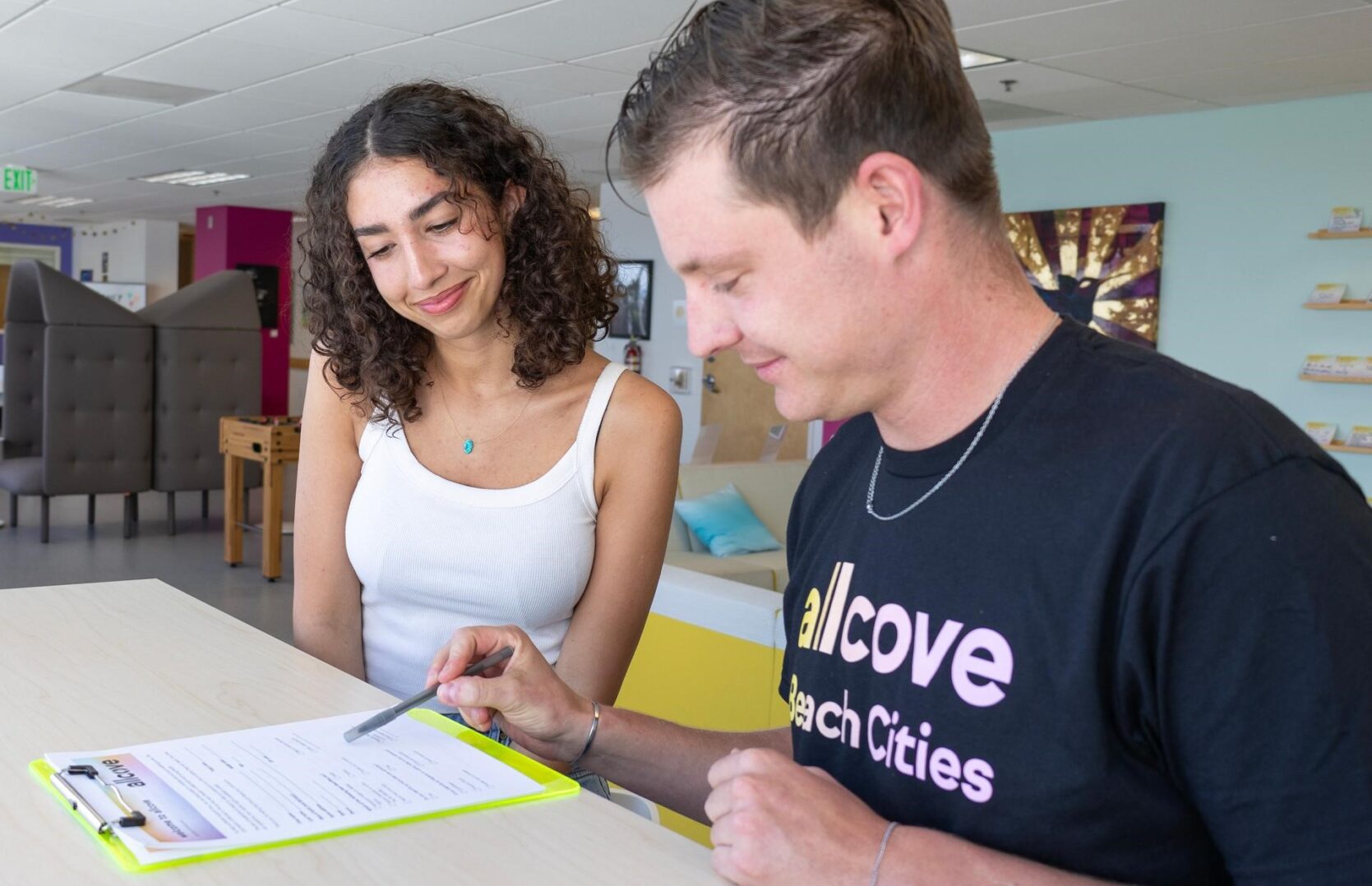
Finding Purpose at allcove Beach Cities
John was a multi-sport athlete in his high school. He was a star quarterback, but baseball was his true love and where his talents really shined. As a standout lefty pitcher, Division I college scouts were knocking on his door early and often. But then, a fluke snowboarding accident shattered that same left collarbone that threw the heat those college recruiters wanted so badly. Everything changed.
John enrolled at Texas Christian University, leaving baseball behind and diving headfirst into fraternity life. The social scene took center stage, and drinking and partying became a big part of his college life. Over the next few years, the heavy drinking intensified and his “good times slowly turned into bad,” according to Hooper. There were some dangerous situations, some that ended up in an emergency room. His best friend from high school was killed in a car accident, a devastating loss that compounded his struggles. By the time COVID hit in 2020, John had lost his job in Texas and was spiraling, to a point where he wasn’t able to stop drinking or abusing drugs.
He knew something had to change.
John moved to Los Angeles in August 2020 to enter a sober living program. The transition was brutal: Strict rules, no phone, complete isolation from his old life. At first, he resisted. He left after three months, thinking he could manage on his own. Within two weeks, he relapsed. His parents, recognizing the pattern, gave him an ultimatum: Get help or get out.
This time, something clicked. “Desperate to get my life together,” John re-entered sober living on January 6, 2021, with a different mindset: Not for anyone else, but for himself. He committed fully, staying in the program for nearly two years. John has been sober now for over four years, and his entire healthy life is in front of him.
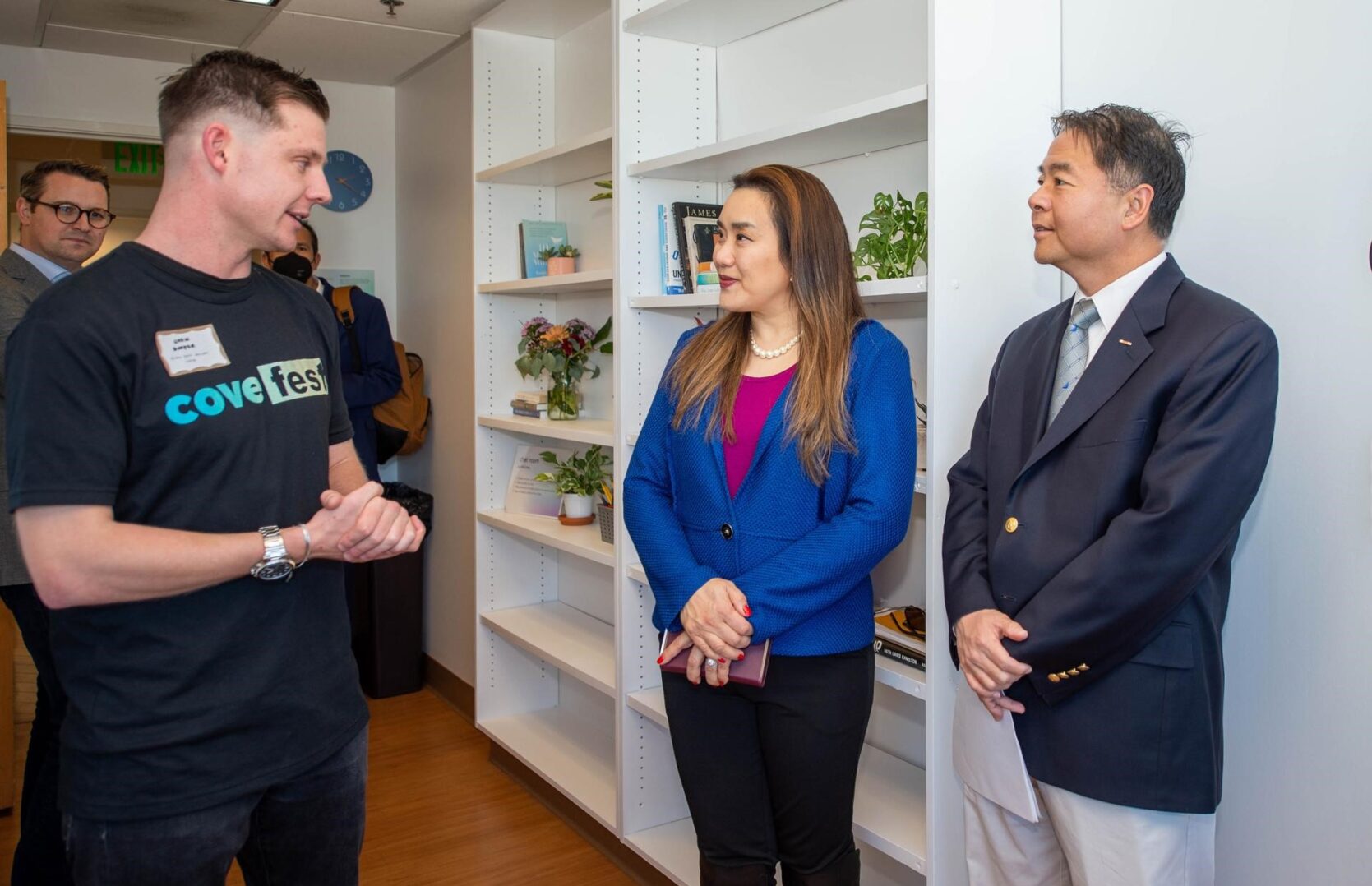
Recovery isn’t just about sobriety. It’s about rebuilding a life with purpose. That’s where allcove Beach Cities came in. John joined the Youth Advisory Group at allcove as a volunteer, not knowing exactly what to expect. He just wanted to expand his role in his community. But what he found was something bigger: A mission. He played a crucial role in helping allcove Beach Cities open its doors, and when a Peer Specialist position became available, he stepped into it seamlessly.
Now, John works one-on-one with young people who are navigating struggles similar to his own. Through lived experience, he offers guidance, support, and most importantly, hope. “I can honestly say I feel like I am making an impact on my community and changing young people’s lives through the work I am doing at allcove,” John says. “I use my story to benefit others.” “My lived experience is what makes my role with allcove so unique,” says John. “Being rooted in work that is meaningful to the young people in our community, operating as a peer specialist holds extreme value. My judgement and work with individuals is impactful. Without my story, without the changes I made in my life, none of it is possible. My hope is my story can inspire and help others.”