Aging in Place in the Beach Cities
Irma first heard about Beach Cities Health District’s (BCHD) Care Management program more than five years ago. While reading the BCHD LiveWell magazine that’s mailed to homes in the Beach Cities, she came across a story highlighting services for older adults. She called BCHD to refer herself and her husband David to the Care Management program and was connected to Sherry, an MSW (Master of Social Work) Care Manager in BCHD’s Community Services department. Since 2018, Sherry has been providing care management to Irma and David, helping them to age successfully at home.
As a social worker, Sherry provides confidential in-home visits and assessments to develop a recommended care plan. Frequent follow-up calls and home visits help support her clients to live independently at home while staying connected to the community. She calls Irma and David monthly to ensure they have everything they need for daily living and does a home visit every six months at minimum.
Irma has Parkinson’s disease and is the primary caregiver for David, who has dementia, but both receive assistance from BCHD. Through the program’s Senior Health Fund, they receive in-home caregiving services, incontinence supplies and an emergency response service (ERS) unit for a subsidized rate (determined by their income). The Senior Health Fund offsets the private cost of such services and is an option for Care Management clients who meet federal poverty guidelines and are unable to sustainably pay for the services themselves. A caregiver from one of BCHD’s contracted vendors, Home Instead, will come to their home twice a week to help with homemaking and caregiving needs that David and Irma need assistance with, like laundry, dishwashing, light cleaning, preparing meals and giving medication reminders. If Irma or David fall or have a medical emergency, they can press the button on the ERS unit and someone will confirm what help they need and send family, neighbors or even paramedics immediately to their home. Having the ERS unit gives Irma peace of mind that help is just a click away if she ever needs it.
Thanks to the Care Management program, older adults like Irma and David can age in place and maintain a quality of life in their home. The program and its Care Managers are part of the continuum of care for older adults and adults with disabilities, often serving as a liaison between clients and care providers. Irma says “My husband and I would not be able to remain in our home and live independently without BCHD services. I recommend BCHD for everyone of all ages. They have great programs and services.”
Care for each client is tailored based on a thorough assessment, which include items like a review of insurance, income, health, cognition, social networks and the client’s report of what they need. Sherry explains that one of the wonderful parts of BCHD’s Care Management program is that there is no “one size fits all” approach. This was especially true during the COVID-19 pandemic.
During the height of the pandemic, Irma and David received weekly phone calls from Sherry or BCHD volunteers to help them stay socially connected. Sherry ensured they got free COVID-19 testing kits through the U.S. Postal Service and provided them information on when, how and where to get the vaccine when it first became available. Irma and David then received their second vaccine dose in their home through a partnership with BCHD and the Redondo Beach Fire Department. They also receive a holiday gift bag each year and appreciate all the practical and fun gifts that bring them cheer during the holiday season.
“I want to thank Beach Cities Health District for all the help over the years,” Irma said. “Sherry has always checked in on us to make sure we are doing okay, even during the pandemic. I am so grateful. That’s all I can say – I am just so grateful.”
Sherry echoes the appreciation for Irma and David recalling that she received a Christmas card from the couple last year. “They are such lovely people. We really have a special relationship.”
—
Beach Cities Health District provides services to improve the quality of life and maintain the independence of older adult residents and residents with disabilities within the Beach Cities. Care Management is a free service available for older adults (ages 60+) and adults with disabilities (ages 18-59) living in Hermosa Beach, Manhattan Beach or Redondo Beach. For more information on older adult services including Care Management, please call our Assistance, Information & Referral line at (310) 374-3426, option 1.
Beach Cities Community Forum on Fentanyl
The Beach Cities Partnership for Youth Coalition and South Bay Families Connected hosted an in-person community forum that included a film screening of “Dead on Arrival,” a fentanyl documentary by Dominic Tierno and Christine Wood, followed by a panel discussion with:
-
Dr. Moe Gelbert, Executive Director at Thelma McMillen Center and Director of Behavioral Health at Torrance Memorial
-
Paul LeBaron, Police Chief at Hermosa Beach Police Department
-
Sebastian Martin, Director of Recovery at New Life House
Here are the top five takeaways from the forum:
- What is fentanyl and what makes it so deadly?
- According to the Center of Disease Control and Prevention (CDC), fentanyl is a powerful synthetic opioid that is up to 50 times stronger than heroin and 100 times stronger than morphine, which means just two milligrams (less than what fits in a grain of salt) of this substance is considered a lethal dose (National Center for Drug Abuse Statistics). Most recent cases of fentanyl-related harm, overdose and death in the U.S. are linked to illicitly manufactured fentanyl (IMF), which is distributed through illegal drug-markets.
- How is illicitly manufactured fentanyl being sold?
- According to the CDC, illicitly manufactured fentanyl is often mixed with substances like heroin, cocaine and methamphetamine without the user’s knowledge. Criminal drug networks are also mass-producing counterfeit pills and falsely marketing them as legitimate prescription pills like OxyContin, Xanax, Adderall and Percocet to deceive the American public, with six out of ten pills confiscated and tested by the Drug Enforcement Administration (DEA) in 2022 containing a potentially lethal dose of IMF.
- How does social media play a role in this drug crisis?
- According to the DEA, criminal drug networks are using social media (like Snapchat) and e-commerce platforms to target consumers, often minors, due to the anonymity of these platforms and accessibility to users’ locations via application features like interactive maps. This allows dealers to find potential buyers in their area through social media accounts and deliver the drugs directly to their location.
- Why are deaths caused by illicitly manufactured fentanyl referred to as “poisonings” versus “overdoses”?
- Overdose: When individuals either intentionally or unintentionally consume a large quantity of a desired substance that it is too much for their body to safely process, resulting in harm or death.
- Poisoning: When individuals unknowingly consume illicitly manufactured fentanyl due to the deception of drug dealers falsely marketing the product as another substance, leading to unintentional overdose or death. Individuals overdosing and dying from illicitly manufactured fentanyl believe they are consuming a legitimate pharmaceutical pill or other substance like cocaine, but were in fact given a product made from illicitly manufactured fentanyl.
- What is naloxone (Narcan) and how do I get it?
- Naloxone is a life-saving medication used to reverse an opioid overdose, including heroin, fentanyl and prescription opioid medications. Narcan is the popular brand of the nasal spray that can be administered by anyone willing to intervene if they suspect someone is showing signs of an overdose.
- Visit the California Department of Public Health’s Opioid Prevention Initiative for more information on how to obtain naloxone in California.
AdventurePlex Camp 2025 FAQ
What are the daily activities?
Campers have daily rotations throughout our facility. These rotations include the play structure, inflatable bounce houses in the sports court, arts and crafts, organized recreational games and trips to the field next door. We also offer special activity days such as Water Days, Dress up days and Spirit Rallies. A weekly camp event calendar will be provided.
What should my child bring each day?
Campers should bring a lunch, water bottle, closed toed shoes and socks daily. Sunscreen is also recommended. A change of clothes is recommended for younger campers. Upon registration, you will receive a newsletter detailing what they should bring for any specialized activities in your registration (i.e. water days)
Are snacks provided?
Yes, campers are provided with a mid-morning snack as well as an afternoon snack.
What training does the staff have?
Our staff receives extensive training in child management and discipline, safety, diversity and health and safety protocols. Our staff is also CPR, AED, and first aid certified.
What is the ratio of staff to children?
The camper to counselor ratio is approximately 10 to 1 for campers 9 and older and 8 to 1 for campers 6-8 years old. The ratio for campers 4-5 years old is 6 to 1.
Am I able to switch days?
You may transfer you camper to another day as long as there is still space available. Transfers incur a $10 charge per camper.
Do you offer scholarships or sibling discounts?
Unfortunately, at this time we do not offer scholarships or sibling discounts.
I want my child to be in a group with another child. Is that possible?
During the online registration process, you will be able to list any camper’s you child would like to be grouped with. We try our best to ensure that all camper requests are granted. Requests are not guaranteed.
Backing off Back Pain with 3 Simple Exercises
Struggling with low back pain? You’re not alone. Studies show that up to 84% of us will experience back pain at some point in our lives.
Aside from physical discomfort, low back pain is the international leading cause of disability. Not only does it cause mobility limitations, but also loss of work, wages and the ability to engage in the activities we love.
Does this mean we are doomed to years of pain medications, cortisone injections or even surgery to combat pain? Fortunately – no! A 2015 study found that costs associated with traditional back pain interventions can be reduced by up to 60% with early physical therapy. Even more promising, a 2018 study published in the Journal of Physical Therapy Science found that those who did the “McGill Big 3” exercises fared even better, with further reduced pain and improved function!
So, who is McGill and what are his “Big 3”?
Dr. Stuart McGill, largely regarded as the international expert on back pain, is a retired professor of the University of Waterloo who has spent decades researching rehabilitation. Simply, he has demonstrated that three exercises performed consistently can help build overall core strength, increase core stability, prevent injuries and reduce existing pain. Best of all, these exercises are easy to learn, simple to perform and can be done in the comfort of your own home without any equipment!
- Curl-Up
- Lay flat on your back with one leg straight and the other leg bent at a 90-degree angle.
- Place your hands under your low back for support.
- Brace your core, tuck your chin and lift your shoulder blades a few inches off the ground.
- Hold for 10 seconds, then rest. Repeat 6 times.
- Alternate leg positions and repeat.
- Side Plank
- Lie on your side with knees bent, resting on your forearm.
- Lift your hips off the floor so that only your knee and arm are supporting your weight.
- Hold for 10 seconds, then rest. Repeat 6 times.
- Turn over to the other side and repeat.
- Bird Dog
- Get on all fours (table-top or cat/cow position). Ensure that your arms are under your shoulders and knees are under your hips.
- Brace your core, squeeze your glute and extend your left arm forward while kicking your right leg back.
- Stop once your arm is level with your shoulder and your leg is level with your hips.
- Hold for 10 seconds, then rest. Repeat 6 times.
- Alternate arm and leg positions and repeat.
For best results, aim to perform these exercises at least three times a week. Need some assistance with form or perhaps a more challenging modification? Our personal trainers are happy to help. Learn about working with a trainer by attending a Back2Basics class or scheduling a free Equipment Orientation. Call 310-374-3426, Option 3 or stop by the front desk today.
Exercise Tips to Lose That Extra Pound
Strength Training – Add strength training to your cardio routines to give your weight loss goals that extra boost! Here’s why it’s so effective for weight loss:
- Although it’s not the instant heart-pounding feeling of a Spinning or Zumba class, building lean muscle mass helps your body burn more calories at rest.
- More muscle = a higher Base Metabolic rate (BMR), calories you burn while you binge on Netflix all day (Not that we’re encouraging this level of activity!)
- A pound of lean muscle tissue burns more calories than a pound of fat even when you’re not using those muscles.
- Muscle is always being broken down and repaired when strength training, The amount of calories your body needs to regenerate that tissue is significantly increased, another increase in calorie burn.
- While you’re gaining lean muscle mass, you might not initially see much change on a scale as muscle weighs the same as fat, but you will be tighter and leaner and notice that your clothes are fitting better.
- You become stronger through strength training, with stronger legs and glutes, you can increase the intensity of your cardio workout, thus burning more calories.
- Try to do 45-60 minutes of strength training 3 times a week with a day of rest in between. (Beginners – start with 2x per week.)
- After you have become proficient in your exercise routine, circuit train through your strength routine, moving from one exercise to another with minimal rest and working a different area of the body with each exercise.
- Try for 3 strength training circuits and add 5-minutes of intense cardio between each set.
Other workout tips for weight loss
Cardio interval training: After you are able to do 20-30 solid minutes of work on cardio equipment, try intervals. Work as hard as you can for 30 seconds, slow down for 60 seconds, repeat several times. Over time, increase your intensity by working hard for 30 seconds, and slowing down for only 30. Always do a 5-minute warm-up and cool-down.
As a result of a more intense workout, your excess post-exercise oxygen consumption, EPOC, will increase and result in more calories being burned after the workout. It’s a temporary boost to your metabolism, or the afterburn effect.
Try Small Group Training classes, an 8-week program with interval training routines. It’s a great way to increase stamina and burn more calories.
Change it up to Surprise Your Muscle
When you use different muscles, your body has to work harder, expand more energy and burn more calories to adapt to new exercises.
Some suggestions: Vary your strength training routines, switch up your cardio equipment or try a class, mix up your classes. If you have reached a plateau – hop on the ARC Trainer elliptical, jump on a stationary bike, or ramp up the treadmill.
Contact the Personal Training department at CHF 310-374-3426, Option 3 for more helpful tips. We’re here to help!
Yoga is for Every Body
Strike a pose by trying yoga! Think yoga is only for people who can contort themselves into a pretzel? Quite the contrary, in fact. The essence of yoga is alignment of body, mind, and soul. Its name literally means “unity” in Indian Sanskrit. An ancient practice dating back 3,000 years, it enhances mental, physical, and spiritual well-being. Research has also shown that yoga can improve your sleep quality, make you more flexible, and help you lose weight.
Whether you’re a beginner, intermediate, or pro, you can find a CHF class that’s right for you:
- YOGA BASICS: Designed with the new yogi in mind, this class provides instruction on the fundamentals of yoga, including hatha yoga postures, sun salutations, standing poses, inversions, hip openers, backbends, forward bends & twists, in addition to meditation and breath work. The goal of this class is to help students perfect their practice without the pressure to “keep up” at a certain pace. New practitioners will develop body awareness to facilitate correct postureal alignment through the Asana (poses), and they will learn how to connect breath with movements for a deeper spiritual involvement.
- RESTORATIVE FLOW: Combine the best of Restorative Yoga, using props and other aids with the warm, rejuvenating pace of a flow class. This gently flowing practice will help relax and restore your body and mind and will help to melt away your aches and pains. This class is suited to all abilities because poses (asana) may be modified as needed with caring, individualized attention from your instructor.
- VINYASA YOGA: Vinyasa, meaning “connection”, is a style of yoga in which the Asana (poses) are synchronized with breath in smooth, flowing sequences. Offered at variable paces and with modifications to the poses, this class is an ideal introduction to a dynamic, athletic yoga discipline. First-timers are welcome, and experienced yogis will also benefit from focusing on form and technique in this diverse class.
- SUNSET FLOW: Flow smoothly through a series of invigorating Vinyasa sequences designed to recharge your batteries as day turns into night and the sun makes room for the moon. The class includes instruction on all the basics of hatha yoga postures, sun salutations, standing poses, inversions, hip openers, backbends, forward bends & twists, in addition to meditation and breath work. Hone body awareness, stimulate the nervous system, and strengthen the heart and lungs while calming the mind and steadying the emotions in this holistic class. Modifications and variations are offered throughout to accommodate students of all levels.
- SUNRISE YOGA: Start as you mean to go on by energizing your whole self in this mindful morning yoga class. Move gently through Asana (poses) designed to awaken your mind and stimulate your body. Practiced regularly, you will soon feel the physical and spiritual benefits of becoming stronger and more focused on your daily tasks. No caffeine needed for this class.
- GENTLE/RESTORATIVE YOGA: This class will focus on bringing mind, body, and spirit into balance by unwinding tension, fatigue, and anxiety while enhancing flexibility, mobility, and resilience to stress. Gentle Yoga Postures coordinated with mindful breathing deepens awareness and moves at a pace that allows time to be present in each pose. Restorative Yoga Postures will use yoga props to support the body in reclining positions that open and relax the body, which allows the breath to expand more freely. This is the perfect yoga practice to relax, renew, and reset your body, mind, and spirit! Please bring your own towel.
Experience a class for free in February by contacting the Center for Health & Fitness front desk! 310-374-3426, Option 3, or simply stop by. Click here to view all class options and instructor bios.
Three Tips to Fortify Your Immunity
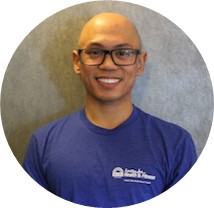
By: Christopher Bentajado, Medical Exercise Specialist
There are a multitude of reasons why one should not only exercise regularly during the week, but also adopt basic self-care habits throughout their week. The purpose of this article is to explore various tips to help you easily choose a healthy lifestyle, as well as give your immunity the kick that it needs to stay well during cold and flu season.
Tip #1: Practice mindfulness, breathwork and meditation.
Per a 2017 publication in the Annals of the New York Academy of Sciences, 20 randomized controlled trials that involved more than 1,6000 individuals suggests that meditation may help keep our immune systems functioning optimally. This is because it helps to decrease negative or distress, which can have a deleterious impact on our immunity. One of my favorite self-care routines involves doing breathwork and meditation to set the tone for my day. This can also be done at the end of the day, or anytime you feel you are stressed or anxious.
Let’s practice a little bit of breathwork now: try inhaling through the nose for a count of 4, feeling your belly rise and ribcage expand, and hold that breath of air in for a count of 7. Exhale through your mouth as if you were blowing out of a straw through pursed lips for a count of 8. Feel better? If you’re looking to connect with your inner calm and energy, try out the 9-minute video that our very own CHF instructor, Carrie Kerster, has created on our Beach Cities Health District YouTube page.
Tip #2: Create the time for your exercise regime.
Participating in a regular movement and exercise practice is a great way to manage stress and strengthen your immune system. A 2013 study in The Scientific World Journal shows that individuals who engage in a regular physical activity program have lower incidence of illness and infection compared to their sedentary counterparts. If you’re lost and unsure of how to get started with an exercise program or are interested in enhancing the program you’re already following, there are several excellent options available to you to help provide direction and structure at CHF. You will establish the foundation you need to carry you through all future workouts by investing in personal training or small group training sessions. Learn about working with a trainer by enrolling in a Back2Basics Workshop, attending an Ask a Trainer session in the lobby, or scheduling an Equipment Orientation, all for free in January 2023.
Tip #3: Log those Z’s!
Not only can maintaining good sleep habits enhance your youthful exuberance, but according to the National Sleep Foundation (NSF), getting enough sleep per night can actually boost your immunity. The NSF recommends aiming for seven to eight hours of shut eye per night, and it could prove useful to try to go to bed at roughly the same time each night, which can assist you with getting up at roughly the same time each morning– thus creating a healthy routine for yourself (see, full circle here).
If you happen to find that your mind goes wild at night and you’ve tried exercise during the day and even attempted breathwork and meditation practices, then filling in the gaps with an afternoon nap can be helpful. The NSF recommends not exceeding 30-minute sessions when you snooze through a siesta, as this can lead you into the deeper stages of sleep, which can lead to a sensation of grogginess upon waking. Per the NSF, taking two naps less than 30 minutes in duration– one in the morning and one in the afternoon– has been proven to decrease stress, improve alertness, and offset the negative effects of sleep deprivation. If this is not a realistic goal, a 20-minute nap during a lunch break, after work, or before dinner could be helpful. But be sure to set an alarm, as sleeping past your 20 to 30 minute nap may interfere with your evening sleep habits.
Citation
- Black, D. S., & Slavich, G. M. (2016). Mindfulness meditation and the immune system: a systematic review of randomized controlled trials. Annals of the New York Academy of Sciences, 1373(1), 13–24.
- Huang, C. J., Zourdos, M. C., Jo, E., & Ormsbee, M. J. (2013). Influence of physical activity and nutrition on obesity-related immune function. TheScientificWorldJournal, 2013, 752071.
- Boost Your Health with Better Sleep. (2020). Retrieved April 6, 2020, from https://www.sleepfoundation.org/articles/how-sleep-affects-your-immunity
A Holiday Note from our CEO
For many of us, the holidays are a wonderful time, providing an opportunity to gather with loved ones, catch up with friends, take a look back as the year winds down and look forward with anticipation to the new year ahead.
Each of the previous two holiday seasons, much of our focus was on COVID-19, as we sought to stay safe in 2020 and looked for the virus to wane in 2021. Unfortunately, COVID-19 and its variants are still with us and it continues to impact many lives as we learn to adapt and live with the virus.
This year, COVID-19 has been joined by Respiratory Syncytial Virus (RSV) and the flu to form what some are calling a “tripledemic,” once again stressing our healthcare system. As a result, we continue to keep facemasks handy, wash our hands often and stay up to date on our vaccines and boosters. Some families will again have smaller gatherings than usual and because we live in Southern California, some holiday feasts will be held outdoors as we try to minimize the spread of these respiratory illnesses.
If there is a silver lining to the COVID-19 pandemic, it may be the attention that has been placed on mental health for people of all ages.
This includes our team at BCHD, where we have recently had more than 30 staff members complete Mental Health First Aid training, to give our staff guidance to assess a person who may be in crisis and take initial steps to keep that person – and those around them – safe during a mental health episode.
For young people, allcove Beach Cities began operations this fall at our campus on Prospect Avenue, giving young people ages 12 to 25 a unique space for them to gather, socialize or access our services, including mental health resources and support for family, friends, and the larger community.
Older adults receive support from BCHD and our team of Care Managers who assist more than 400 older adults and adults with disabilities in the Beach Cities. This important program provides vital assistance to this vulnerable population, giving many much-needed assistance as these residents age in place.
One aspect of our care for older adults in our community is our Holiday Gift Bag program, which provides some holiday cheer and supplies for older adults and adults with disabilities. This program truly represents what BCHD is all about: bringing the community together – donors, sponsors, bag stuffers and volunteers delivering the bags – to assist people in need in the Beach Cities. To everyone who participated with our Holiday Gift Bags, we are extremely grateful for your support.
Best wishes to you and yours during the holidays, and here’s to a happy and safe 2023!
In health,
Tom
BCHD’s Tom Bakaly named “Man of the Year” by the Redondo Beach Chamber of Commerce
Tom Bakaly, CEO of the Beach Cities Health District, was named “Man of the Year” alongside KTLA meteorologist Vera Jimenez, who was named “Woman of the Year” by the Redondo Beach Chamber of Commerce at its 115th Community Awards last month.
“Alongside” is a misnomer, as Bakaly was ill and unable to attend the awards luncheon, held Nov. 17 at Shade Hotel Redondo. BCHD staff members accepted the award on behalf of Bakaly.
Nominated by BCHD employees, Bakaly was singled out for the Health District’s efforts to assist the community throughout the last year, including establishing clinics for COVID-19 testing and vaccinations, and providing meals and assistance for older adults in the community. BCHD was instrumental in working with local Chambers of Commerce – including Redondo Beach – to create the “Safe in the South Bay” program, which helped area businesses take the proper steps to ensure the health and safety of their staff and customers.
“Tom has been determined to help the community in every way possible since the beginning of the pandemic. His leadership led us to establish one of the first COVID-19 testing locations in the area and provide easy access to vaccines for South Bay elementary school students,” said Kerianne Lawson, Chief Programs Officer at BCHD. “Then we pivoted to working with the Chambers, and residents knew a ‘Safe in the South Bay’ decal in the window was a sign that business was taking the necessary steps to ensure a safe environment for all. Tom’s experience and guidance truly helped this community during a very difficult time.”
Prior to the pandemic, Bakaly was named “CEO of the Year” by the Association of California Healthcare Districts (ACHD) in 2019.
The Redondo Beach Chamber of Commerce also presented a “Special Chairman Award” to Dr. Steven Keller, superintendent of the Redondo Beach Unified School District, who is retiring at the end of the year.
Other winners saluted by the Chamber include:
- Volunteer of the Year: Mary Hornickel, Melaleuca
- Chamber of Commerce Ambassador: Mark Van Vorman of Edward Jones
- City Employee of the Year: Andy Winje, city engineer
- Non-profit Business of the Year: The Redondo Beach Rotary
BCHD is an award-winning organization, a trend that has continued under Bakaly’s leadership. The District has been honored for:
- 2021 “Healthcare District of the Year” by ACHD
- Financial reporting (Government Finance Officers of the U.S. & Canada, California Society of Municipal Finance Officers)
- Transparency (Association of California Healthcare Districts, California Special Districts Association, GFOA)
- A “Best Place to Work” (Modern Healthcare, Los Angeles Business Journal, Outside Magazine)