Special Nutrition Needs of Older Adults
In all stages of life, it is important to eat a healthy diet and exercise. As we age, the body becomes less efficient at absorbing some key nutrients. Here are a few of the nutrients to look out for and how to get enough.
Vitamin B12
Our stomach’s produce less gastric acid after age 50. This sometimes makes it difficult to absorb Vitamin B-12. The Recommended Dietary Allowance (RDA) is 2.4 micrograms. The richest sources of Vitamin B-12 include lean meat, fish, poultry, eggs, dairy products, and fortified cereals. You can ask your doctor about taking a blood test to see if your B12 is low.
Calcium
Men over age 50 should be getting 1000mg of Calcium a day and women over 50 should be getting 1200mg. To help achieve these numbers try to have three servings of a low-fat milk, yogurt, or cheese. Other calcium rich foods include fortified cereals and fruit juices, dark green leafy vegetables and sardines.
Vitamin D
Vitamin D helps the body absorb calcium. In addition, it may also protect some chronic diseases. Vitamin D is produced in the body when it is exposed to sunlight. However, as we age, the skin becomes less efficient at producing the vitamin from sunlight. The RDA is 600 IU for those 70 years and younger, and 800 IU for those over 71. Vitamin D is found naturally in foods like fatty fish, cheese and egg yolks, but also in fortified dairy and cereals. You should have your vitamin D levels checked yearly by your physician. If it is low, your doctor can recommend the proper supplementation.
Fiber
Our GI system slows down as we age making us more susceptible to constipation. Consuming a high fiber diet, not only promotes healthy digestions but it can protect against heart disease and diabetes. We want to aim for 30-40 grams of fiber per day. Good sources of fiber include whole grains, nuts, beans, fruits, and vegetables. Gradually increase fiber into your diet and drink plenty of water.
Omega 3 fats
These unsaturated fats are good for brain, heart, and inflammation. Try to eat wild salmon, mackerel, sardines, or black cod, or trout twice a week. You can also get plant based omega 3s from flaxseeds, chia seeds, and walnuts. Talk to your doctor about supplementing. You don’t want to take supplements if you are on blood thinners.
Water
Try and drink 8 glasses per day. Make sure your urine is the color of lemonade.
Phytochemicals
These are chemical compounds made by plants that are beneficial to our health and are very important to have in our diet to help reduce the risk of many diseases such as cancer, heart disease, diabetes, and high blood pressure. Try to consume 8-10 servings of vegetables and fruits daily.
The phytochemicals lutein and zeaxanthin, which are found in green leafy and orange vegetables may decrease the incidence of cataracts and age-related macular degeneration.
International Walk and Roll to School Day
Is there a way to burn less gas and more calories while teaching our children about road safety and the community? Join hundreds of thousands of students, parents and community leaders across the world on Wednesday, October 12 for International Walk and Roll to School Day!
International Walk and Roll to School Day is an annual event, held on the first or second Wednesday of October since 1997 and has been breaking records for participation each year in more than 40 countries. Last year over 2,800 schools participated within the U.S. alone! The event was first introduced in the U.S. by the National Center for Safe Routes to School to shine a light on the importance of walkable communities. Since then, many event coordinators have reported seeing a change in policy or pedestrian infrastructure to encourage walking after conducting Walk and Roll to School Day events.
Walk and Roll to School Day benefits students by building community and connectivity, teaching proper traffic safety rules, and by having students learn safe routes to school. The event also introduces concepts of environmental conservation and health consciousness at a young age in a fun and interactive way.
With Walk and Roll to School Day taking place near the beginning of the school year, it can encourage healthy walking habits for the rest of the year. Walking to school itself can ingrain a healthy lifestyle and routine for years to come as walking is shown to be just as good as jogging with less strain or difficulty. Walk and Roll to School Day also helps parents by decreasing traffic and helping them save on gasoline in a time where prices have been surging.
To participate, check with your local school for site-specific meet-up locations and make sure your child has lots of water if it’s hot out. One way to get involved is to share your experiences and promote the day so that more communities get the opportunity to take part. Be sure to use the hashtag #WalktoSchoolDay when posting pictures on social media!
Here in the Beach Cities, Beach Cities Health District’s similar programs, Walking Wednesdays and Walking School Bus are currently on hold for the time being due to the COVID-19 pandemic.
Customer Service Survey
Thank you for your thoughts. We listened. And will continue to listen.
Takeaway #1: Easy comment submission.
Solution: A comment box has been added to the lobby.
The Center for Health & Fitness suggestion box is a great place for CHF members to express themselves directly or anonymously. There is no limit to how long a suggestion can be, and anyone can leave one. The important thing is we are giving our members the opportunity to speak directly to the powers-that-be when it comes to offering feedback. If you have a suggestion, concern or would like to praise one of our staff members, instructors or trainers, please use the suggestion box. You can be assured that the Center for Health & Fitness Staff will review each comment within 48 hours and address it in the best way possible. For added convenience, our website will have an E-Comment option in 2023. Keep an eye out!
Takeaway #2: Keep cleanliness as a priority.
Solution: Utilizing top-of-the-line disinfectant cleaning products coupled with a regimented cleaning process.
In our opinion, gym cleanliness is crucial to attracting new members and building member confidence in our commitment to your health and safety. CHF has implemented a regular disinfection process using cleaning products (that kill the COVID-19 virus) as well as adding more disinfecting wipe stations. During open hours, CHF staff will continue to clean the equipment, in addition, an outside cleaning company will deep clean each day before CHF opens and after it closes. Filters have been installed in the HVAC system throughout the facility and an air purifier was placed in the massage and locker rooms.
As a Medical Fitness Facility, we are committed to following the Medical Fitness Association guidelines as well as the guidelines set by the Los Angeles County Department of Public Health. We are also under the guidance of Dr. William Kim, the Chief Medical Advisor for the Beach Cities Health District.
Takeaway #3: You want a robust instructor/trainer lead group exercise offering.
Solution: Continue monitoring group exercise class capacity and services offered.
A successful group exercise or fitness program is always a work in progress. Several factors play a role, including the needs of the members, the availability of instructors/trainers, the length of the class and the availability of studio space. The Center for Health & Fitness schedule will be fluid based on the demands generated by our members, and we will continue to conduct member surveys, field suggestions from our comment box and respond to feedback as we evolve and refine our offerings. You can help us grow by completing our annual group exercise survey in November 2022.
Riviera Mexican Grill – the Beach Cities’ newest Blue Zones Project Approved Restaurant
Riviera Mexican Grill is the newest designated Blue Zones Project Approved™ Restaurant. “Being a Blue Zones Project Approved™ Restaurant lets our customers know that we care about their well-being. We want to help promote a healthy lifestyle and Riviera Mexican Grill loves the community,” says Manager Martin Ramirez.
Making Delicious Healthy Choices at a Unique South Bay Staple
Riviera Mexican Grill, best known by locals as “The Riv,” first opened its doors in 1996. The walls of the restaurant are filled with South Bay legends, and it’s common to spot a professional surfer or paddle-boarder eating one of their famous fish tacos. The Riv is a place where locals meet to discuss the community and keep in touch with old friends, and it was voted the 2022 Daily Breeze Readers’ Choice for Best Mexican Restaurant in the South Bay.
Blue Zones Project Approved Restaurant
Riviera Mexican Grill joins more than 100 Blue Zones Project Approved™ Restaurants and Grocery Stores in the Beach Cities that have optimized their environments to nudge customers to make healthy choices. Riviera Mexican Grill completed a designation process in July 2022 and followed a series of evidence-based actions to make healthier choices easier for customers, including but not limited to:
- Pricing entrées with a plant-based protein lower than meat entrées, such as the delicious Vegan Tacos.
- Offering a vegetable, fruit, 100 percent whole grain or salad as the default side dish selection for all applicable menu items.
- Not placing a saltshaker on the table unless requested.
- Allowing customers to request any entrée grilled, baked or broiled rather than fried.
Website: www.therivmex.com
Instagram: www.instagram.com/therivmex/
Facebook: www.facebook.com/TheRivMex
Guest Column: With Life Expectancy in Decline, a Call to Action to Prevent Further Death
By David Hart, Ph.D.
According to recent data published by the Centers for Disease Control and Prevention (CDC), The United States is experiencing the sharpest decline in average life expectancy in nearly 100 years. In fact, the U.S. will soon drop out of the top 50 nations in terms of how long we are statistically predicted to live – currently age 76 for the average American – down from a high of age 79 in 2018.
Several factors have contributed to the decline in life expectancy, including COVID-19. But the decrease in the number of years Americans can expect to live cannot be solely attributed to the pandemic, as the downward trend began prior to the onset of COVID-19. Experts describe Americans as suffering from “the U.S. health disadvantage” – a lethal cocktail of variables that erode the physical, psychological, and social well-being of our society.
While it’s generally considered true that the United States has one of the most technically advanced healthcare systems in the world, on the contrary, we suffer from epidemic rates of obesity, diabetes, cardiovascular disease, and other chronic health conditions that impact our longevity and quality of life. These chronic health conditions are caused by pervasive and often preventable risk factors including poor diet, lack of physical activity, smoking, gun violence, pollution, social and cultural oppression, loneliness, and poverty. But the human body is not separate from its psychology and vice versa; therefore, a discussion on the factors that promote longevity (or not) must include mental health.
The pandemic is thought to have exacerbated mental health challenges, especially among the younger generations. In 2021, drug overdoses topped 100,000 in the United States, a 29% increase from 2020. While suicide rates have declined over the past two years among those aged 10 to 64, data reported by the American Psychological Association show suicide as the second leading cause of death for this demographic. According to the World Health Organization (WHO), the prevalence of depression and anxiety have increased by 25%, mostly due to stressors related to COVID-19 but other stressors, including climate change, political upheaval, and the oppression and discrimination of marginalized communities also seriously impact mental health.
September is designated as Suicide Prevention Awareness Month. I cannot think of a better time to consider strategies we all might employ to possibly save the life of a vulnerable family member, neighbor, or friend. One of the life-saving strategies promoted by the National Alliance on Mental Health (NAMI) is to address the stigma of talking about suicide. Thoughts of suicide can be frightening, but the fear of sharing suicidal thoughts with others and then facing ridicule can be downright paralyzing. Sharing these thoughts, though, is crucial to avoiding disaster and saving lives.
When I was 17, I began the process of coming to terms with my sexual identity. At that time, maybe around 1996 or 1997, coming out as a gay person was in no way celebrated. In fact, being gay, or any other member of the LGBTQ (lesbian, gay, bisexual, transgender, queer) community was vilified in the media, in politics, and in many predominant religions too. The overt and covert messages I received as a young person about what it meant to be queer left me feeling hopeless and defeated before I ever had a chance to fully live. Lack of hope for the future is correlated with depression, which is a significant risk factor for suicide. Although I never fully attempted to end my life, I did go through the process of making a plan and finding the means. I wrote a note that my mom found while I was sleeping after taking one too many sleeping pills. Subsequently, she quickly connected me with a therapist who specialized in working with queer youth, and my near-death experience is one of the reasons I became a counselor.
I impart this story to hopefully mitigate some of the stigma attached to discussing suicide and to also model disclosure. Sharing with each other vulnerably and bravely matters. I also share my story to illustrate several significant risk factors for suicide: 79% of all people who die by suicide are male, LGBTQ youth are four times more likely to attempt suicide than their heterosexual counterparts, and suicide is the third leading cause of death for people aged 15-24. Feeling hopeless, losing motivation, withdrawing or feeling isolated, behaving recklessly, having a history of suicide in the family, and/or discussing the plan and means for killing oneself are all critical signs that require immediate intervention.
Reducing the stigma surrounding suicidal thoughts isn’t the only method for preventing suicide. Another way is to access evidence-based treatments for mental health concerns, including addiction, mood and anxiety disorders, adverse childhood experiences, post-traumatic stress, and personality challenges. By providing relational support and targeting thinking patterns, behavioral habits, and neurochemicals, psychotherapy and psychopharmacology can significantly limit suicidal ideation and prevent suicidal attempts.
Finding support for mental health challenges and preventing suicide may be easier to access than ever before. This summer, the U.S. Department of Health and Human Services launched the 988 Mental Health and Crisis Hotline. This lifeline provides 24/7, free and confidential support for people in distress, prevention and crisis resources for you or your loved ones, and best practices for professionals in the United States. Members of the public in crisis or needing support can call or text 988 at any time, day or night. The Trevor Project is another excellent suicide prevention resource, particularly for LGBTQ young people.
Reaching out to a person you trust – maybe a teacher, friend, healthcare practitioner, counselor, mentor, clergy, or family member – can be the first step towards protecting your life or the life of a person you care about. By working together and attending to the risk factors and signs of suicidal ideation and other mental and physical health conditions, we are more likely to reverse this precipitous decline in the years Americans are expected to live.
David Hart, Ph.D., is a clinical mental health counselor who specializes in working with older adults, folks in the LGBTQ community, and people living with dementia and their families. Dr. Hart is the Director of Community Health at Always Best Care Senior Services in Torrance, CA, and also serves as the Director of Clinical Training in the Department of Counseling at California State University, Fullerton. Dr. Hart can be reached at dhart@abc-seniors.com.
LAFCO Municipal Services Review
BCHD is undergoing its Municipal Service Review (MSR) through the Los Angeles County Local Area Formation Commission (LAFCO), culminating in a (virtual) public meeting Wednesday, September 14.
LAFCOs are public agencies with county-wide jurisdiction tasked with overseeing changes to local government boundaries involving the formation and expansion of cities and special districts. State law mandates that LAFCOs prepare Municipal Service Reviews that provide a comprehensive analysis of municipal services including an evaluation of existing and future service conditions. There was a MSR conducted on BCHD in 2004, and the same report was reconfirmed by the LAFCO Commission in November 2012.
The MSR for both healthcare districts in Los Angeles County – Antelope Valley Healthcare District and BCHD – will be on the agenda for the LAFCO commission meeting September 14, 2022, at 9 a.m. The meeting agenda and more information is available by clicking here.
The staff report was released September 7, 2022, to be considered and discussed by the Commission at their September 14, 2022 meeting. The agenda item is for both healthcare districts in Los Angeles County, BCHD and the Antelope Valley Healthcare District, which operates the Antelope Valley Medical Center. It includes the Municipal Service Review (MSR), the Sphere of Influence (SOI) update, and the authorization of the functions and classes of services for each of the healthcare districts Among the highlights from the LAFCO Staff Report:
• The agenda item is for both healthcare districts in Los Angeles County, BCHD and the Antelope Valley Healthcare District, which operates the Antelope Valley Medical Center. It includes the MSR, the SOI update, the authorization of the functions and classes of services for each of the healthcare districts
• Currently, BCHD’s SOI is larger than its jurisdictional boundaries and LAFCO staff is recommending amending BCHD’s Sphere of influence to be in alignment with our existing jurisdictional boundaries, or a “coterminous SOI”—this is because since the adoption of the SOI in 1983, BCHD has made no efforts to expand our jurisdiction and have no plan to expand our jurisdiction in the foreseeable future.
• The report clarifies that there is no merit to claims that BCHD cannot provide services within our jurisdictional boundaries to people who live outside of our boundaries. The law does not impose a residency requirement for an individual who received services within the boundaries of a special district.
• The report states and reiterates that the proposed Healthy Living Campus project is outside of the statutory authority of LAFCO and that land use decision issues fall to BCHD and the city of Redondo Beach.
• The determinations state that because the outcome of the Healthy Living Campus is unknown, the adequacy of BCHD to provide public services in the future, the planned capacity of public facilities and financial ability of BCHD to provide services in the future are unknown at this time and dependent on whether the Campus project will move forward.
• LAFCO staff concluded that BCHD operates in a transparent manner and highlighted the District’s transparency awards, district and board recognition, and budget and finance awards.
• The staff report also mentions that while there are claims that BCHD is not being responsive to requests for public information, the data reflects that BCHD is making a diligent and concerted effort to be responsive to public records requests.
BCHD Volunteers Spruce Up Redondo Beach School Gardens During Beach Cities Volunteer Day
More than 100 volunteers tended to elementary school gardens in Redondo Beach Thursday as part of Beach Cities Health District’s (BCHD) Beach Cities Volunteer Day.
BCHD took the opportunity to recognize some outstanding community members during the kick-off event. Following their active participation in BCHD’s COVID-19 testing and vaccination efforts, the Redondo Beach Fire Department was presented with the District’s “Partner in Health” Award, and RBFD’s Division Chief Issac Yang was singled out and received BCHD’s “Committed to Community” honor. Kina Desai, a junior at Mira Costa High School and a member of BCHD’s Youth Advisory Council from Hermosa Beach, was presented with the “Committed to Community Youth” award.
For the 2022 event, community members, organizations, parents and students volunteered alongside BCHD staffers in eight LiveWell Kids gardens. LiveWell Kids is a program which works to prevent childhood obesity through hands-on gardening and nutrition lessons. Volunteers harvested vegetables, planted seeds, pulled weeds and cleaned areas to prepare the gardens for the upcoming school year.
“LiveWell Kids has helped make Redondo Beach students healthier for over a decade, largely due to the great work done by our enthusiastic army of volunteers who help with this mission,” said Beach Cities Health District CEO Tom Bakaly. “Kids in our community benefit, our volunteers benefit and we’re grateful for the great support we receive for the LiveWell Kids gardens and our other programs.”
LiveWell Kids was created in 2005 in response to an alarmingly high rate of obesity at the time – more than one in five Redondo Beach elementary school students was obese. Today, thanks to a steady diet of LiveWell Kids programming in Redondo Beach elementary schools, the obesity rate (grades K-5) is now 7.9 percent. By contrast, the Centers for Disease Control and Prevention (CDC) report obesity prevalence among 6-to-11-year-olds is 20.7 percent nationally.
When school resumes, so will the regularly scheduled farm-to-table lessons, physical activity breaks and mindfulness practices delivered to more than 6,000 children by BCHD volunteers (in-person and virtually). Programming is implemented in partnership with Redondo Beach Unified and Hermosa Beach City School Districts. Manhattan Beach partners with local organization Growing Great for its nutrition program.
Volunteers worked at gardens at the following elementary schools Thursday:
• Alta Vista
• Beryl Heights
• Birney
• Jefferson
• Lincoln
• Madison
• Tulita
• Washington
Hermosa Beach Volunteer Opportunity Aug. 31
Another participating school in the LiveWell Kids program, Hermosa View Elementary School, will hold its garden prep day August 31, from 9:30-11:30 a.m. Volunteers interested in helping that day (clearing garden beds, cultivating and amending soil, planting seeds, etc.) can sign up on the BCHD website at www.bchd.org/volunteer.
For more information on LiveWell Kids programming, visit www.bchd.org/livewellkids .
Blue Zone Project® Restaurant Week
Beach Cities Health District invites you to participate in our first-ever Blue Zone Project® Restaurant Week! Find great deals on healthy options from these favorite Blue Zones Project Approved™ Restaurants and Grocery Stores from August 21 through August 27, 2022.
Show this page to receive the following deals.
Bollywood Zaika
633 N. Pacific Coast Hwy., Redondo Beach
20% off 12 oz. entrée of Tawa Sabji or Chana Masala
Captain Kidd’s Fish Market & Restaurant
209 N. Harbor Dr., Redondo Beach
$14.99 Yellowtail Salad
Good Stuff
1617 S Pacific Coast Hwy, Redondo Beach
1286 The Strand, Hermosa Beach
20% off the Vegan Scramble
Lazy Acres Natural Market
2510 Pacific Coast Hwy., Hermosa Beach
$10 off $35 purchase
Lido di Manhattan
1550 Rosecrans Ave., Manhattan Beach
$16 Quinoa Primavera with a side of cauliflower with parmesan & capers
Playa Hermosa Fish & Oyster
19 Pier Ave., Hermosa Beach
$20 Vegan Green Curry with seasonal vegetables and ginger
Ready Fit Go
1025 Pacific Coast Hwy., Hermosa Beach
15% off entire entrée
Manhattan Bread and Bagel
1812 N. Sepulveda Blvd., Manhattan Beach
$2 off California Veggie Sandwich
Riviera Mexican Grill
1615 S. Pacific Coast Hwy., Redondo Beach
$11.99 Vegan Tacos
Sacks in the City
2512 Artesia Blvd., Redondo Beach
$2 off all Veggie Toasts & Sandwiches
The Great Room Café
2810 Artesia Blvd., Redondo Beach
15% off entire order of Salads, Avocado Toast and Farmers Market Scrambles
The Rockefeller
1707 S. Catalina Ave., Redondo Beach
418 Pier Ave., Hermosa Beach
1209 Highland Ave., Manhattan Beach
Meet the Member Services Specialist Team!
Lakeshia Crosby
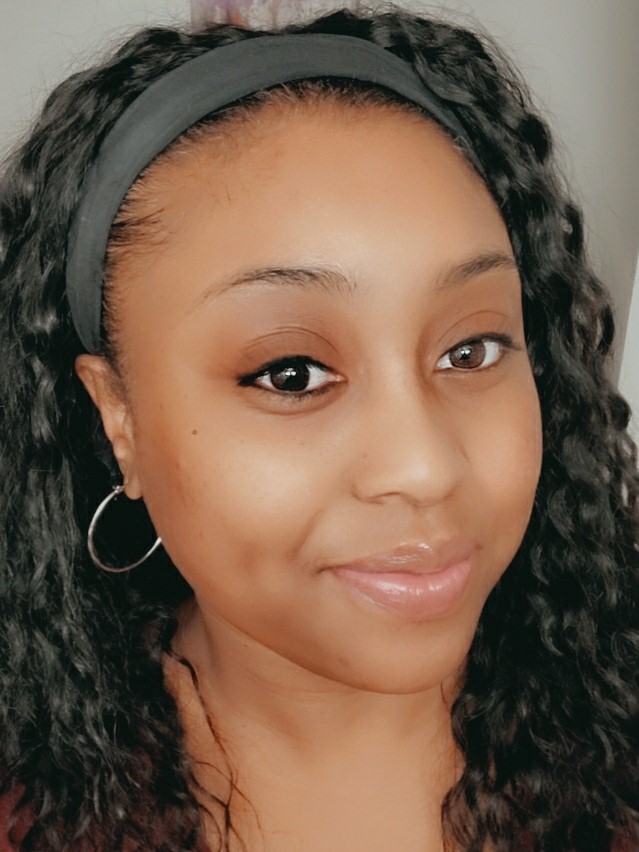
Hello, I’m Lakeshia Crosby and I’m from Los Angeles. I am a mother of four children, and I also care for my three nieces and one nephew. As a Member Service Specialist at CHF, I enjoy meeting new people and learning new things. My favorite thing about the neighborhood I live in is that there are many resources and activities for youth. My hobbies include making things using resin, sewing and braiding hair. My favorite well-being practices consist of decluttering my home, spending time with my children and keeping in contact with close friends via in person or social media. I’m always happy to help so stop by the front desk anytime.
Whitney Hernandez
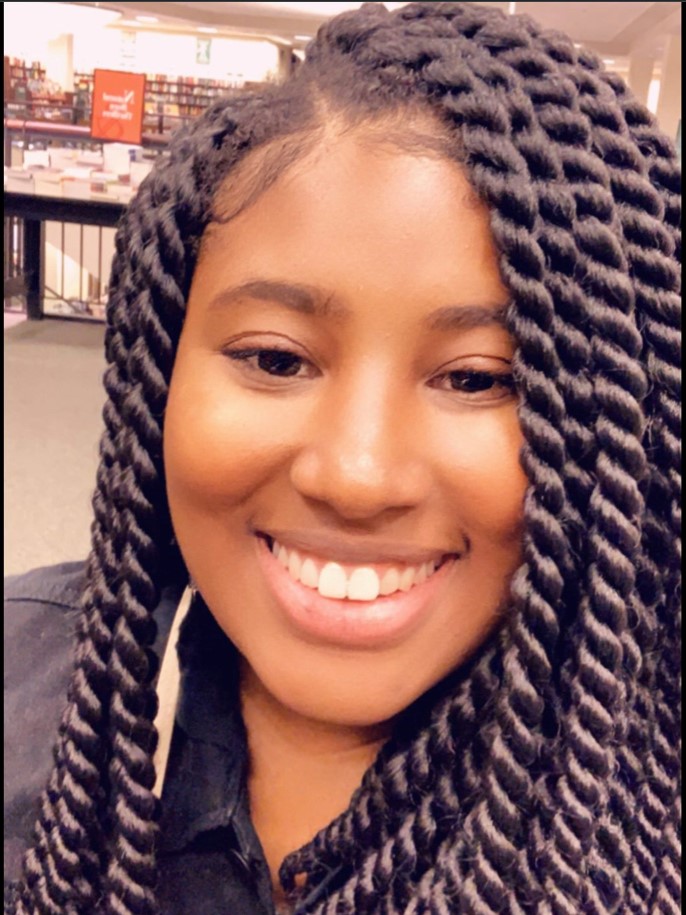
California is where I was born and raised. I enjoy reading, writing, and listening to all kinds of music. My favorite Well-being challenge is to walk long distances. I love trying new things. When it comes to fruit strawberries are my favorite, but pears are awesome too!
Jacob Mallord

Redondo Beach is where I’m from. There are many things I love about my town, but I especially love that most of my family lives here. Seeing and chatting with CHF members as they check-in is one of the highlights of my day. Playing basketball with friends, cooking with my girlfriend and relaxing around the house are some of my favorite hobbies when I’m not at CHF.
Greisy Catalan

Hello, I’m Greisy. I am 25 years old and study Kinesiology at CSULB (Go Beach!). I was born and raised in Guatemala, moved here at the age of 10 and have lived here ever since. Workouts, reading and listening to music are some of my favorite hobbies. I enjoy anything outdoors and I love spending time with my sister and all the CHF members. The next time you’re at the club, say hello to me at the reception desk or on the fitness floor.